Electric Charging Stations and Parking Management: A Look into the Future

The future of mobility belongs to electric cars. With the rapid increase in the number of electric vehicles on our roads, the need for a comprehensive charging infrastructure is also growing. As a result, electric charging stations and parking management are increasingly becoming a focus for cities, businesses, and property owners. This development is having a major impact on how parking spaces and public spaces will be used and designed in the future.
The expansion of charging infrastructure for electric cars presents numerous challenges for parking management. This article examines current trends in e-mobility and explains why electric charging stations are crucial for parking management. We also take a look at innovative solutions and the challenges that parking operators must address. Finally, we offer a look ahead at how the future of parking and charging for electric vehicles can be shaped.
Current Developments in E-Mobility
The rapid proliferation of electric vehicles and the expansion of the associated charging infrastructure are fundamentally changing mobility patterns. Technological advances and policy frameworks play a central role in successfully shaping this transformation.
Growing Number of Electric Vehicles
Electric mobility in Germany is experiencing steady and impressive growth. As of January 1, 2024, a total of 2,330,567 electric vehicles were registered, representing growth of approximately 25 percent within a year. This increase reflects the ever-strengthening trend toward environmentally friendly transportation solutions. Consumers value electric cars in particular for their low environmental impact, low operating costs, and high level of driving comfort. This trend is also continuing in other European countries and underscores the need for a comprehensive infrastructure for electric vehicles.
Rising Demand for Charging Infrastructure
As the number of vehicles on the road grows, so does the need for a comprehensive charging infrastructure. The federal government has set an ambitious goal of installing more than one million charging points across Germany by 2030. Currently, there are approximately 145,857 charging points, distributed across 77,915 charging stations. These charging points have an average charging capacity of 30.5 kilowatts, which shows that there is still potential for further expansion. To meet the rising demand and support the growing number of electric vehicles, it is essential to continuously expand and modernize the charging infrastructure.
Policy Goals and Incentives
The federal government aims to make Germany a global leader in the field of electric mobility. A central component of this strategy is a comprehensive set of incentive measures designed to support the purchase of electric vehicles and the expansion of the charging infrastructure. These measures include:
- Financial Incentives: The government provides grants and subsidies for the purchase of electric vehicles and the installation of charging stations to further stimulate demand.
- Tax Benefits: Electric vehicles are exempt from motor vehicle tax for up to ten years, and drivers of company cars benefit from lower tax rates for electric cars.
- Support for Charging Infrastructure: Grants and subsidies are available for both private and public charging stations, which is expected to significantly accelerate the expansion of the charging infrastructure.
- Charging Infrastructure Master Plan II: This plan calls for the systematic and needs-based expansion of the charging infrastructure by 2030.
- Germany Network: A program designed to ensure that there are enough fast-charging stations available in all regions and along the highways.
These measures promote the adoption of electric vehicles and strengthen the market, but they also make it clear that a modern and comprehensive charging infrastructure is essential to achieving the climate goals that have been set.
The Importance of Electric Vehicle Charging Stations for Parking Providers
The provision of electric vehicle charging stations is increasingly becoming a key factor in the attractiveness and competitiveness of parking areas. For operators of parking lots, parking garages, and public spaces, installing charging stations for electric vehicles offers numerous advantages.
Charging Infrastructure as an Additional Source of Revenue
Electric vehicle charging stations open up a new revenue stream for parking providers that can have a positive impact on overall revenue. Selling charging electricity can generate regular revenue, especially at high-traffic locations. Operators can flexibly set charging rates to respond to local demand. In high-traffic areas, significant revenue can be generated, which increases the profitability of parking facilities.
In addition, parking facility providers can benefit from the GHG quota (greenhouse gas reduction quota). This allows them to generate additional revenue by selling the emissions they have saved. Charging stations powered by self-generated green electricity, in particular, can generate attractive revenue. This ensures that the investment in charging stations pays for itself more quickly for operators.
Increased Time Spent in Store and Cross-Selling Opportunities
Electric vehicle charging stations have a positive impact on customer dwell time. While their vehicles are charging, electric car drivers typically spend more time in the parking lot or at nearby stores. This extended dwell time offers parking lot operators and adjacent businesses the opportunity to generate additional revenue—whether through food and beverage options, retail stores, or services located near the charging stations.
Parking facility operators can create real added value for their customers by combining parking, charging, and additional services. Combining parking with charging stations and shopping opportunities not only leads to higher revenue but also to greater customer satisfaction.
Increase the efficiency of your parking areas and promote sustainable mobility – Contact PRM Parken today for a no-obligation consultation! Our experts will help you find customized solutions for your parking areas so you can fully leverage the potential of electric vehicle charging stations.
Innovative Approaches to Optimizing Parking Management
The challenges associated with integrating electric vehicle charging stations call for creative and efficient solutions. Smart technologies and innovative approaches can help optimize the operation of charging infrastructure while also increasing user satisfaction.
Smart Parking Guidance Systems for Electric Vehicles
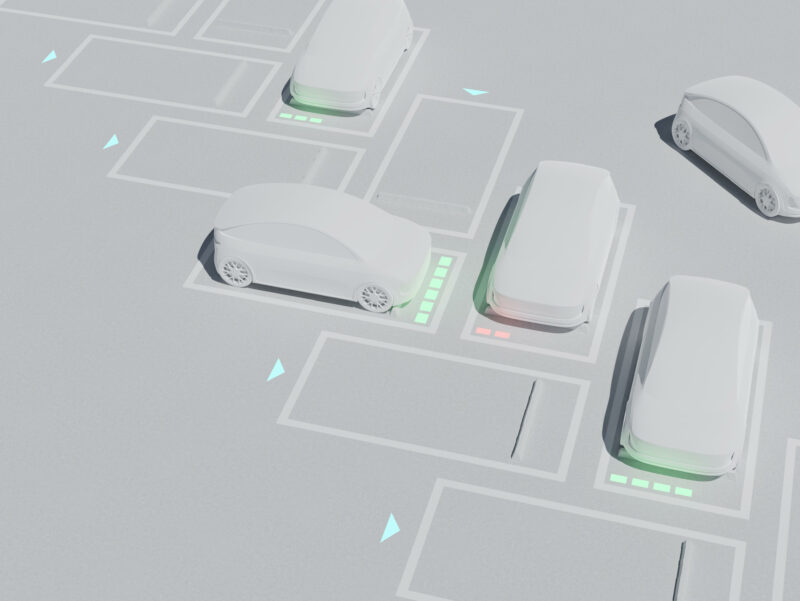
Smart parking guidance systems play a crucial role in managing and optimizing parking lots equipped with EV charging stations. These systems use real-time data to direct drivers to available parking spaces with charging stations. By using sensors and automated control systems, operators can better manage the utilization of their parking areas and maximize the availability of charging points.
Reservation Systems for Charging Stations
Reservation systems are increasingly being used to improve the efficiency of charging infrastructure. These systems allow drivers to book charging stations in advance, thereby reducing wait times and frustration. The ability to make advance reservations offers significant added value, especially at high-traffic locations.
Challenges in Parking Management
However, integrating electric charging stations into existing parking areas also presents challenges. Operators must make structural adjustments, meet technical requirements, and optimize the signage and markings for the charging stations.
Integration of Charging Stations into Existing Parking Areas
In densely populated areas and at older parking facilities, the installation of charging stations often requires additional modifications and investments. Integrating charging infrastructure into existing parking structures requires careful planning and implementation.
Billing and Payment Systems
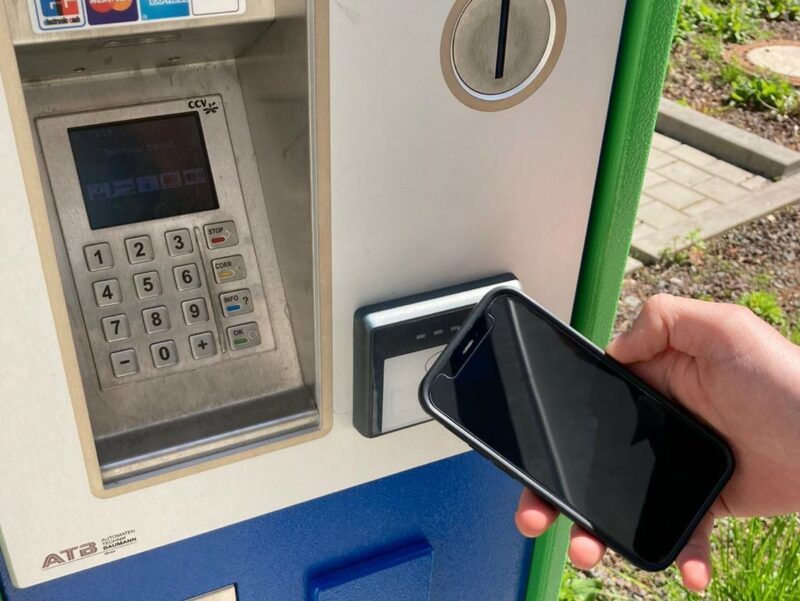
Billing and payment at electric vehicle charging stations also pose a challenge. Operators must ensure that their systems comply with legal requirements and provide users with a simple, transparent payment process. At the same time, data protection and security requirements must be observed.
Outlook
The integration of electric vehicle charging stations into parking management is much more than just a trend—it is a forward-looking step toward sustainable mobility. Parking operators who embrace this development early on can not only tap into new sources of revenue, but also increase their appeal to customers and make an active contribution to environmental protection.
The future of urban mobility calls for innovative solutions, and electric charging stations are a key part of this development. Invest in the future of your parking facilities with customized solutions from PRM Parken —your partner for efficient and sustainable parking management.
FAQ
- Why are electric vehicle charging stations so important for parking providers?
Electric vehicle charging stations make parking facilities more attractive, generate additional revenue through the sale of charging electricity, and enhance the provider’s image as a sustainable operator. They also increase the length of time customers stay, which leads to higher revenue. - What challenges does the integration of electric vehicle charging stations into existing parking lots present?
Installing electric vehicle charging stations may require structural modifications, technical prerequisites, and clear signage for the charging spaces. In addition, operators must set up appropriate billing and payment systems that comply with legal requirements. - How can parking providers optimize the use of electric vehicle charging stations?
Operators can use smart parking guidance systems and reservation systems to maximize the availability of charging spots and increase customer satisfaction. Time-based rates and smart billing models help optimize utilization.