How to Get Rid of Illegally Parked Cars
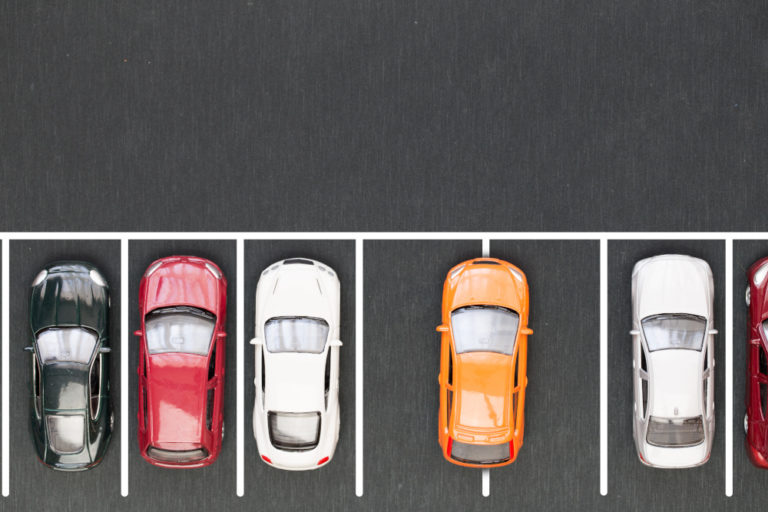
Are your parking spaces being used by employees of neighboring companies? Or are long-term parkers who live in the area blocking the spaces? It’s not just an inconvenience when unauthorized vehicles are parked in your spaces. In the worst case, this can even result in a noticeable loss of revenue because your customers will look for more convenient options.
At the same time, enforcement measures can quickly lead to dissatisfied customers if, for example, they feel harassed by regular inspections or are asked to pay a fine for forgetting to set their parking disc.
Upset customers and employees
Illegally parked vehicles can become a real problem for parking lot operators. Not only do they generate costs due to the administrative burden they create, but they can also lead to frustration and annoyance among customers and employees—for example, when a limited number of parking spaces are blocked by vehicles parked without authorization.
A digital parking system architecture offers a convenient and efficient solution for parking lot operators. Using ALPR systems, vehicles are recorded by their license plate number and the corresponding time as they enter and exit the lot. This allows the system to verify in the cloud whether the vehicle has parking authorization—and how long each vehicle has used the parking lot.
Accommodating and flexible follow-up on violations
Drivers who forget to pay are identified and politely asked to settle their parking fees. Only if they refuse to pay will a surcharge be imposed. Parking permits (e.g., for employees) can be issued and revoked on an individual and flexible basis. The unique recording of each license plate automatically prevents physical parking permits from being transferred without authorization and used by multiple vehicles.
Employee Case Study:
Scenario 1:
After the new management system is implemented, an employee receives an invitation link to download the app, where they then create an account. Upon entering the parking lot, their license plate number is recorded; the database verifies an existing registration via the app and displays the number of available parking spaces to the driver. At the end of the month, the applicable daily fee is charged.
Situation 2:
The employee failed to create an account or complete the registration process and drives into the area monitored by the ALPR system. A database check performed at that very moment identifies the outstanding registration. The driver is then notified of the missing authorization via the digital display on a desktop dashboard.
covered area. A real-time comparison with the database identifies the missing authorization. The driver is then notified of the missing authorization via the digital display on a desktop dashboard.
Situation 3:
Similar to Situation 2, but the driver ignores the message and parks without authorization. License plate recognition triggers the follow-up process, and a higher usage fee is charged.
This case study illustrates the advantages of a digital parking system architecture when dealing with illegal parkers. Vehicles parked without authorization are clearly identified. The driver of the illegally parked vehicle is notified of the situation digitally and automatically, giving them the opportunity to obtain the required parking permit. Only those who continue to park without authorization are required to pay a fine.