Digital Parking Management: A Sustainable Solution to Urban Challenges
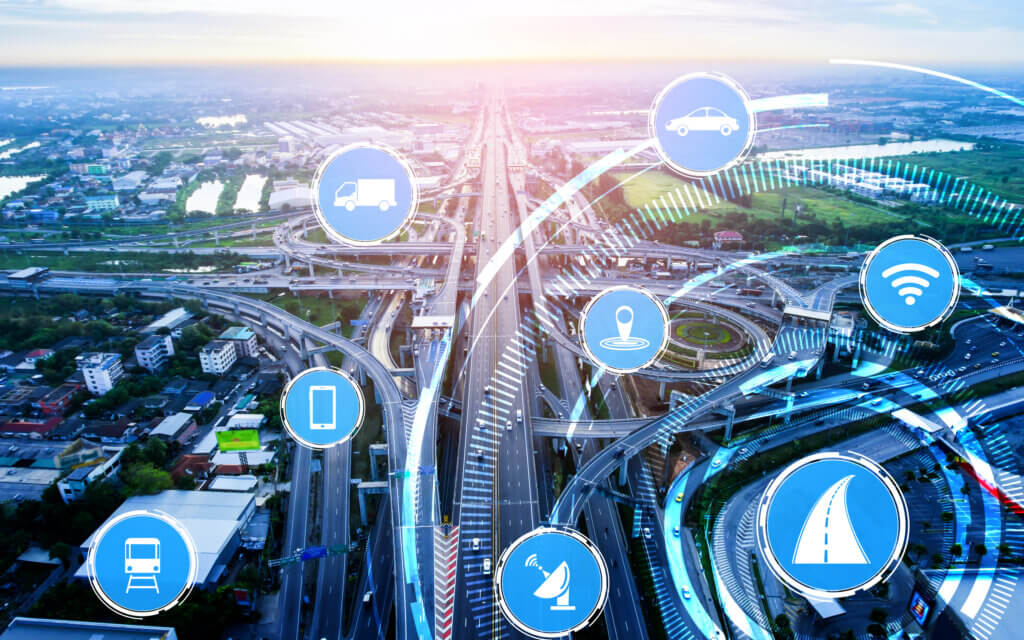
At a time when cities are faced with increasing traffic volumes and limited space, digital parking management offers an efficient and sustainable solution. By using modern technologies and data-driven approaches, cities can better manage parking space, reduce traffic and improve the quality of life of their citizens.
What is digital parking management?
Digital parking management is an approach to managing parking spaces in cities that is based on digital technologies and data analysis. It enables a more efficient use of existing parking space, reduces parking search traffic and contributes to improving the traffic situation. It can also help to reduce the environmental impact of traffic and achieve the city's sustainability goals.
The advantages of digital parking management
One of the main problems in many cities is the search for parking spaces. By providing real-time information about the availability of parking spaces, digital parking systems can help solve this problem. Drivers can use the information to drive directly to an available parking space instead of wasting time and fuel searching for a parking space.
In addition, digital parking management enables dynamic pricing. This means that parking fees can vary depending on the time of day, demand and location. This flexibility can help to manage demand and optimize the use of parking space.
How digital parking management contributes to a sustainable traffic turnaround
By improving the efficiency of parking space use and reducing parking search traffic, digital parking management can help reduce CO2 emissions and other environmental impacts of transportation. In addition, it can help to reclaim public space currently used for parking and use this space for other purposes, such as pedestrian areas, cycle paths or green spaces.
Conclusion
Digital parking management offers an effective solution to some of the most pressing traffic problems in cities. By using digital technologies and data-driven approaches, cities can manage parking space more efficiently, reduce traffic and improve the quality of life of their citizens. It can also help to reduce the environmental impact of transportation and achieve the city's sustainability goals.